Everyone loves to talk about healing like it’s a staircase.
Step one, step two, keep climbing, someday you’ll reach the top. Books promise it. Therapists imply it. Social media markets it.
But here’s the reality…
Trauma doesn’t care about your timeline.
It cares about your nervous system.
And the nervous system doesn’t move in straight lines.
For months I fought myself. I tried every method I could get my hands on… meditation, somatic work, journaling, workouts, prayer, long walks, anything that might cut through the fog I was drowning in. S
ome days something helped. Most days nothing did.
The real shift came when I stopped trying to “heal” and started trying to document.
Not to make sense of it.
Not to reframe it.
Not to find meaning.
Just to survive it.
Every journal entry, every late-night audio note, every spiral became raw material.
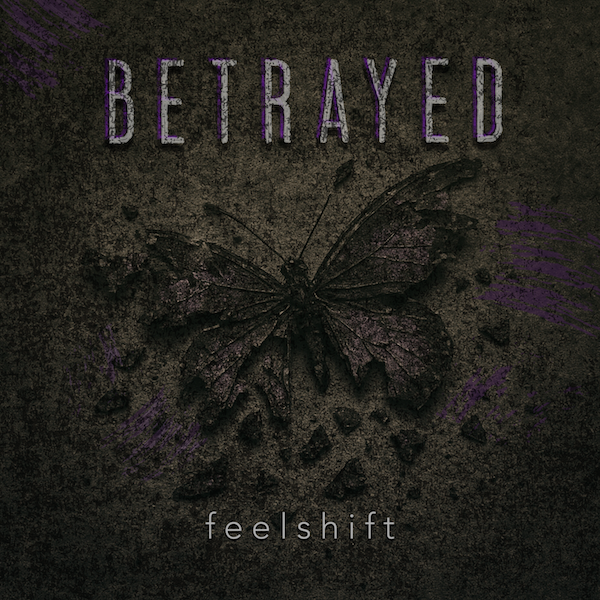
When I finally used AI as an instrument to turn that documentation into music, something clicked.
Not because AI fixed anything, but because it let the intensity inside me take a shape I could finally interact with instead of suffocating under.
Healing isn’t the light at the end of the tunnel.
It’s the sparks you catch in the dark moments when you least expect them.
You don’t heal because someone tells you to think positive.
You heal because you stay alive long enough to feel the next fraction of breath, the next quiet moment, the next shift inside your chest that doesn’t hurt quite as much as yesterday.
If you’re here because you’re in it too, you’re not behind.
You’re not failing.
You’re not weak.
You’re just inside the part no one talks about.